Affordable office furniture suppliers

ORDINALS is a leading provider of affordable office furniture suppliers in the Middle East. We specialize in offering modern, durable, and budget-friendly office furniture that enhances workplace productivity while keeping costs low. Our wide range of products and services ensures that businesses of all sizes can find the perfect solutions for their workspace needs.

Whether you are setting up a new office, upgrading your current furniture, or expanding operations, ORDINALS delivers exceptional solutions tailored to your requirements. With a team dedicated to quality and efficiency, we are recognized as one of the top affordable office furniture suppliers for businesses seeking cost-effective, practical, and stylish office solutions.

Our commitment to customer satisfaction and attention to detail makes ORDINALS the go-to choice among affordable office furniture suppliers in the Middle East. We ensure every workspace is furnished thoughtfully, blending comfort, functionality, and modern design to meet the unique needs of each client.
Affordable office furniture suppliers

Why Choose ORDINALS?

Choosing ORDINALS means choosing quality, affordability, and reliability. Here’s why our clients trust us:

  • Affordable Solutions – We are one of the most trusted affordable office furniture suppliers in the Middle East.

  • Comprehensive Range – From office chairs to desks, we have everything your office needs.

  • Regional Reach – Serving clients in Bahrain, Cyprus, Egypt, Iran, Iraq, Israel, Jordan, Kuwait, Lebanon, Oman, Palestine, Qatar, Saudi Arabia, Syria, Turkey, UAE, and Yemen.

  • Customizable Designs – Tailored furniture options to fit your office style and functionality.

  • Fast Delivery & Installation – Efficient logistics ensure your office is ready on time.

Our Product Range

ORDINALS provides a wide variety of office furniture solutions, designed to improve productivity and office aesthetics.

Office Chairs & Seating Solutions

  • Ergonomic chairs designed for comfort and support.

  • Affordable options for all office sizes.

  • Stylish designs that complement modern office interiors.

Office Desks & Workstations

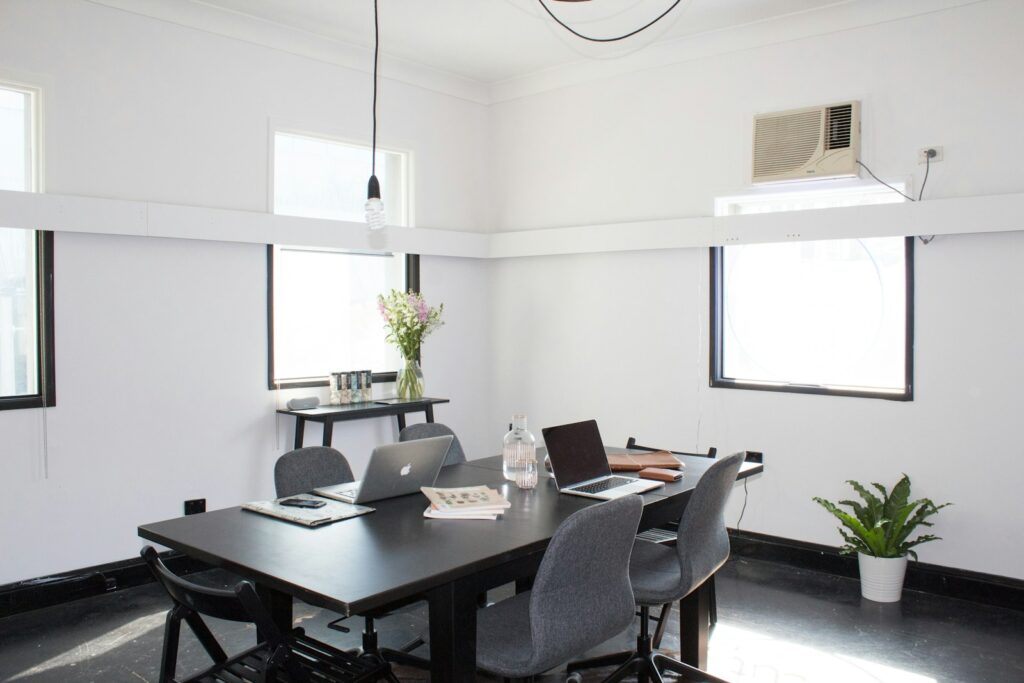
  • Individual and team workstations to suit every office layout.

  • Durable desks with ample storage space.

  • Customizable configurations for small and large offices.

Conference & Meeting Room Furniture

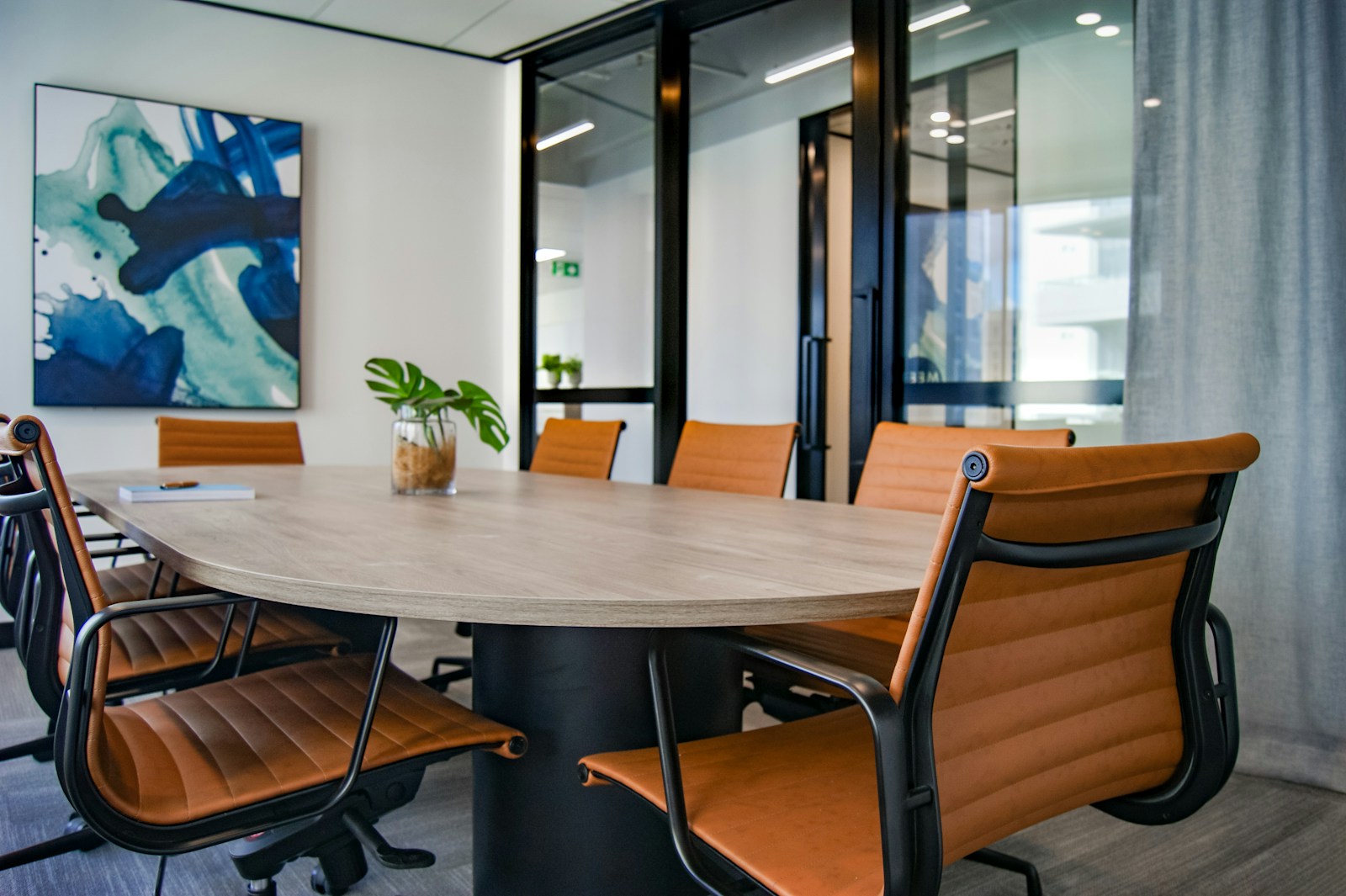
  • Functional and elegant conference tables.

  • Comfortable chairs for meetings and training sessions.

  • Storage and organization solutions for meeting rooms.

Storage Solutions

  • Filing cabinets, shelves, and modular storage units.

  • Solutions to keep offices organized and clutter-free.

  • Affordable options without compromising quality.

Reception & Lobby Furniture

  • Modern reception desks to create a professional first impression.

  • Comfortable seating for visitors.

  • Stylish furniture to reflect your brand identity.

Our Services

ORDINALS specializes in a wide range of office furniture solutions. Here’s what we offer:

  • Office Chairs & Seating Solutions – Ergonomic designs for comfort and productivity.

  • Office Desks & Workstations – Affordable desks tailored for individual and team use.

  • Conference & Meeting Room Furniture – Stylish and functional tables, chairs, and storage.

  • Storage Solutions – Filing cabinets, shelves, and organizers to keep your office clutter-free.

  • Reception & Lobby Furniture – Make a great first impression with our modern reception furniture.

We are proud to be recognized among the best affordable office furniture suppliers in the Middle East. Our commitment to quality, affordability, and customer satisfaction makes ORDINALS the go-to choice for businesses of all sizes.

Our Regional Presence

ORDINALS is proud to serve businesses across the Middle East:

  • Affordable office furniture suppliers in Bahrain – Budget-friendly furniture for local companies.

  • Affordable office furniture suppliers in Cyprus – Quality office furniture at competitive prices.

  • Affordable office furniture suppliers in Egypt – Durable and stylish options for offices of all sizes.

  • Affordable office furniture suppliers in Iran – Modern designs to enhance productivity.

  • Affordable office furniture suppliers in Iraq – Cost-effective solutions for startups and established businesses.

  • Affordable office furniture suppliers in Israel – Ergonomic and functional furniture for every office.

  • Affordable office furniture suppliers in Jordan – Stylish and practical office furniture options.

  • Affordable office furniture suppliers in Kuwait – Affordable solutions with modern designs.

  • Affordable office furniture suppliers in Lebanon – Reliable and cost-effective furniture.

  • Affordable office furniture suppliers in Oman – Durable and comfortable office furniture solutions.

  • Affordable office furniture suppliers in Palestine – Affordable and practical office setups.

  • Affordable office furniture suppliers in Qatar – Elegant furniture at competitive prices.

  • Affordable office furniture suppliers in Saudi Arabia – Trusted cheap office furniture suppliers with high-quality products.

  • Affordable office furniture suppliers in Syria – Reliable furniture solutions for offices.

  • Affordable office furniture suppliers in Turkey – Modern, functional, and affordable furniture.

  • Affordable office furniture suppliers in United Arab Emirates – Serving businesses with stylish and practical solutions.

  • Affordable office furniture suppliers in Yemen – Quality furniture that fits your budget.

Why Choose Affordable Office Furniture

Investing in affordable office furniture suppliers offers numerous benefits:

  • Cost Savings – High-quality office furniture without overspending.

  • Enhanced Productivity – Ergonomic designs improve employee comfort and efficiency.

  • Modern Aesthetics – Stylish furniture enhances your office environment.

  • Flexible Options – Wide variety of products for different office sizes and layouts.

  • Durable & Long-Lasting – Made with premium materials to withstand daily use.


Key Features of ORDINALS Furniture

ORDINALS focuses on providing furniture that balances affordability and quality:

  • Ergonomic Designs – Comfortable seating and functional workspaces.

  • Durable Materials – High-quality materials ensure long-lasting furniture.

  • Budget-Friendly Options – Affordable solutions for businesses of all sizes.

  • Customizable Designs – Flexible options to match office decor.

  • Quick Delivery & Setup – Efficient logistics across the Middle East.

What makes Ordinals different from other affordable office furniture suppliers?

Ordinals focuses on durability, modern design, and budget-friendly options, making it stand out among affordable office furniture suppliers across the Middle East.
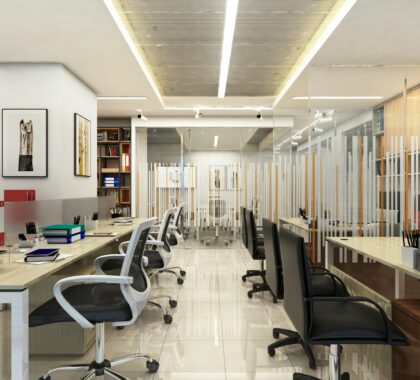
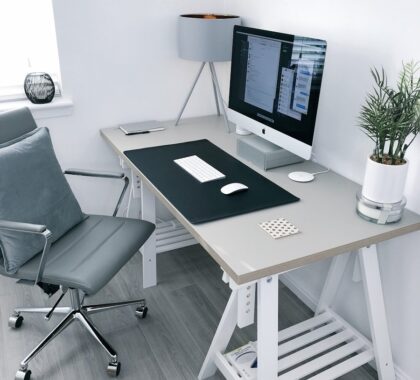
Ordinals is recognized as one of the most trusted Affordable office furniture suppliers in the region, offering high-quality and budget-friendly solutions for modern workplaces. As an Affordable office furniture supplier, Ordinals ensures durable designs that meet the needs of growing businesses across the Middle East. The company is known for being among the leading Affordable office furniture suppliers Middle East, serving markets such as Affordable office furniture suppliers Bahrain, Affordable office furniture suppliers Cyprus, Affordable office furniture suppliers Egypt, Affordable office furniture suppliers Israel, Affordable office furniture suppliers Jordan, Affordable office furniture suppliers Kuwait, and Affordable office furniture suppliers Lebanon. Ordinals also provides reliable service as one of the top Affordable office furniture suppliers Oman, Affordable office furniture suppliers Palestine, Affordable office furniture suppliers Qatar, Affordable office furniture suppliers Saudi Arabia, Affordable office furniture suppliers Syria, Affordable office furniture suppliers Turkey, Affordable office furniture suppliers United Arab Emirates, and Affordable office furniture suppliers Yemen. Affordable office furniture suppliers Affordable office furniture supplier Affordable office furniture suppliers Middle East Affordable office furniture suppliers Bahrain Affordable office furniture suppliers Cyprus Affordable office furniture suppliers Egypt Businesses seeking cost-effective solutions can rely on Ordinals, known widely as one of the Best affordable office furniture suppliers Middle East. For companies in the Gulf, Ordinals also stands out among Cheap office furniture suppliers Saudi Arabia, delivering comfort, durability, and functional workspace designs. With a commitment to affordability and quality, Ordinals continues to be a preferred choice for office furniture across the region. In today’s rapidly evolving commercial landscape, organizations across different regions are increasingly focused on creating work environments that reflect efficiency, comfort, and long-term value. As companies expand, renovate, or redesign their workspaces, the demand for well-planned interiors and thoughtfully crafted workplace solutions continues to grow. This shift isn’t just about aesthetics—it is about building spaces that actively support productivity, employee well-being, and operational flow. Businesses now understand that the environment in which teams function has a significant impact on morale, creativity, and overall performance. One of the major driving forces behind this transformation is the awareness that the traditional office setup no longer caters to modern professional needs. Workplaces today serve multiple functions beyond simply hosting employees. They act as collaborative hubs, meeting points, creative zones, and even cultural expressions of the company’s identity. As a result, businesses are investing more time and thought into selecting layouts, materials, and furnishings that align with global standards. The focus has shifted to durability, ergonomics, efficient space utilization, and thoughtful design—elements that directly influence how effectively teams can carry out their daily responsibilities. Beyond functionality, modern companies are paying attention to how a workspace makes people feel. The relationship between workplace comfort and employee satisfaction has been widely acknowledged across industries. A well-organized environment helps reduce stress, improve focus, and create a sense of belonging. When employees experience comfort and clarity in their surroundings, they are naturally more engaged and motivated. This understanding has led organizations to pursue solutions that prioritize user-centered design, ensuring every corner of the workspace serves a meaningful purpose. Moreover, as businesses grow, their operational requirements tend to become more complex. This complexity increases the need for adaptable designs that can accommodate expansion, reconfiguration, or changes in workflow. Many companies require interiors that can evolve with them over time, ensuring long-term usability. This is where modular concepts come into play, providing the flexibility to rearrange, expand, or repurpose areas without major disruptions. This adaptability is especially valuable in fast-developing regions, where industries continuously innovate and restructure. Another important aspect shaping modern workspace planning is sustainability. Companies are becoming more conscious of their environmental footprint and are actively seeking solutions that support responsible material usage and long-term durability. Eco-friendly choices not only reflect corporate responsibility but also contribute to healthier internal atmospheres. With the growing emphasis on environmental awareness, businesses are increasingly selecting furnishings made from long-lasting, carefully processed materials that can withstand daily use while minimizing waste. In addition to sustainability, technological integration has become an essential component of contemporary workplace design. As digital systems become embedded in daily business operations, the physical environment must support seamless connectivity. This includes ensuring adequate space for devices, integrated power solutions, cable management systems, and strategic layouts that align with modern workflow requirements. Workspaces are no longer static rooms—they are environments shaped by the interaction between people, tasks, and technology. The evolution of work culture also plays a major role in shaping spatial design. Teams today function differently compared to previous decades. Collaborative approaches, hybrid work models, and flexible schedules require interiors that promote communication, movement, and creativity. Traditional desk-bound setups are giving way to multifunctional environments where people can choose how and where they work. This shift demands thoughtful planning to ensure each area—whether for meetings, individual tasks, brainstorming, or relaxation—is designed with clarity and purpose. Organizations also increasingly recognize the importance of spaces that promote well-being. The modern workforce values environments that support both physical and mental health. Good lighting, organized layouts, comfortable furnishings, and designated spaces for relaxation contribute significantly to workplace wellness. By focusing on employee well-being, companies not only improve satisfaction but also reduce absenteeism, increase retention, and build stronger internal cultures. Beyond internal employees, the overall impression created by a workspace also affects clients, partners, and visitors. A thoughtfully designed environment communicates professionalism, stability, and attention to detail. It reflects the company’s values, vision, and dedication to excellence. This is why many businesses treat their workspace as a strategic component of their branding. Every design decision—whether related to layout, materials, or structural elements—contributes to the overall identity of the organization. An interesting dimension of workspace evolution is the growing importance of specialized environments tailored to industry-specific needs. Different sectors require distinct types of planning to support their workflows. For instance, companies in creative fields may prioritize open collaborative zones, while administrative organizations often rely on structured layouts that support concentration and privacy. Similarly, sectors such as healthcare, engineering, education, and hospitality each require tailored spatial designs that align with their operational responsibilities. As organizations study these evolving needs, they increasingly collaborate with professionals who understand how to translate business objectives into functional physical spaces. These collaborations allow companies to explore new ideas, enhance operational flow, and ensure long-term value. By working with specialists, businesses can avoid common pitfalls and create environments that support both present and future needs. One of the biggest advantages of well-planned workplace design is its ability to optimize space utilization. In many regions, especially fast-developing commercial hubs, space comes at a premium. Efficient planning helps organizations make the best use of available areas, ensuring nothing is wasted while maintaining comfort and accessibility. Thoughtful spatial design can transform even compact environments into productive and attractive workplaces. Over the last decade, changes in global work patterns have further accelerated the need for adaptable, organized, and highly functional environments. Remote work, virtual collaboration, and hybrid models have reshaped the fundamental understanding of how people interact with workspaces. Many organizations now design their interiors with flexibility in mind, ensuring that spaces can transition between various uses with minimal effort. Another element influencing modern organizational planning is the growing emphasis on safety and long-term durability. Companies prefer solutions that stand the test of time, minimize maintenance, and ensure reliability under daily use. This also includes choosing materials and designs that support cleanliness, hygiene, and resistance to wear. In industries where high foot traffic is common, durable options significantly reduce long-term operational costs. Businesses today also value transparency and organization within their environments. A clutter-free workspace enhances clarity, focus, and professionalism. Organized layouts with designated zones help teams function smoothly and reduce unnecessary stress. By incorporating thoughtful storage solutions and functional layouts, companies create environments that support efficiency and visual harmony. The growing recognition of workplace psychology has further strengthened the demand for strategic interior planning. Colors, textures, layouts, and even the arrangement of pathways influence how people feel and behave within a space. Modern organizations apply these principles to promote calmness, energy, or focus where needed. Every design element contributes to shaping the daily experience of employees. In addition, the rise of collaborative industries has highlighted the need for environments that support group interactions. Companies now invest in areas where teams can meet, share ideas, and build solutions together. These spaces are often designed to inspire creativity, encourage communication, and foster innovation. Such collaborative setups help organizations strengthen teamwork and develop more dynamic internal cultures. As global business trends continue to evolve, companies with well-planned interiors maintain a competitive advantage. A thoughtfully designed workspace supports both daily operations and long-term growth. It enhances employee satisfaction, improves workflow efficiency, and strengthens the organization’s overall image. With continuous advancements in materials, design principles, and workplace technology, the potential for creating innovative environments continues to expand. As workplace expectations continue to expand, many organizations are turning their attention to how environments can support performance on both individual and collective levels. This has led to a deeper examination of how daily tasks unfold within a business setting, and how interior choices can either enhance or obstruct operational flow. An efficient environment makes everyday routines easier, reduces unnecessary movement, and ensures that tools and resources are always within reach. In contrast, poorly planned surroundings can cause delays, confusion, and frustration that ultimately reduce effectiveness. This is why more companies are treating spatial planning not as an afterthought but as a central component of their strategy. A major factor influencing workplace design today is the rise of experiential working. Employees no longer want to simply occupy a space—they want to feel connected to it. Environments that promote engagement and comfort can significantly elevate overall work experience. This includes everything from ergonomic furniture to thoughtful lighting choices and even sound management. Noise control in particular has become essential in open-plan layouts, where excessive sound can interfere with concentration. Modern designers often use acoustic panels, partitions, and strategic zoning to create areas dedicated to quiet work alongside more vibrant collaborative zones. Another growing trend is the shift toward designs that prioritize inclusivity. Organizations recognize the importance of creating workspaces that accommodate individuals with varying physical abilities, preferences, and work styles. This includes implementing accessible pathways, adjustable furnishings, and flexible areas that can be adapted to different needs. By embracing inclusivity in the physical environment, companies foster equal opportunity and strengthen their internal culture. Technology integration continues to play a transformative role in shaping the modern workplace. Advanced systems, digital tools, and intelligent infrastructure require environments that support connectivity at every level. From seamless charging options and integrated cable management to smart lighting and automated climate systems, workplaces are becoming increasingly responsive. These innovations not only simplify daily tasks but also contribute to long-term resource efficiency and sustainability. The importance of adaptability cannot be overstated in today’s rapidly changing business world. Organizations frequently face shifts in team size, departmental structure, or workflow patterns. Spaces that are rigid or difficult to modify often struggle to support these transitions. This has driven a major shift toward flexible interiors that maintain relevance over time. Movable partitions, modular components, and reconfigurable layouts allow companies to evolve without major disruptions or expensive renovations. Adaptability has become synonymous with long-term value. The visual identity of a workplace has also gained prominence. A well-designed environment communicates professionalism, attention to detail, and organizational culture. Many businesses use color schemes, textures, and materials that reflect their brand values, creating a sense of unity between physical surroundings and corporate messaging. This visual coherence helps build trust among clients and instill pride among employees. When people feel aligned with their environment, the impact on morale and motivation can be profound. In addition to aesthetics, the emotional impact of a workplace is becoming increasingly acknowledged. Calm environments help reduce anxiety, while energizing spaces can boost creativity. Natural elements, such as greenery, wooden textures, and open daylight access, have been shown to support mental health and promote a sense of balance. This integration of nature-inspired design elements is part of a broader global trend toward biophilic design, which enhances both well-being and productivity. Many organizations also recognize the need for designated spaces that encourage relaxation and mental reset. Breakout areas, quiet zones, and social spaces allow employees to step away from routine tasks momentarily, helping them regain focus and improve overall performance. These areas serve as vital components of a holistic workplace strategy, supporting emotional resilience and reducing burnout. Companies that invest in these elements often experience improved employee retention and engagement. Another essential consideration in modern workspace planning is safety. Regulations, industry standards, and internal policies all require careful attention to detail. This includes ensuring proper ventilation, maintaining clear pathways, and using materials that meet fire safety guidelines. Organizations must also consider hygiene, especially in high-traffic areas. Environments designed with smooth surfaces, easy-to-clean materials, and organized layouts significantly contribute to maintaining a healthy workspace. The influence of global work culture has created a growing appreciation for collaborative innovation. Workplaces now serve as dynamic ecosystems where ideas evolve through interaction. This shift has encouraged the creation of open meeting areas, brainstorming zones, and shared workstations that facilitate communication. These spaces help reduce hierarchical barriers and promote cross-functional cooperation, ultimately leading to richer, more effective solutions. While collaboration has gained momentum, so has the need for privacy within the workspace. Employees often require focused environments for tasks that demand uninterrupted attention. Balancing openness with privacy is one of the ongoing challenges of modern interior design. Successful solutions often include a mix of private work pods, enclosed rooms, and thoughtfully positioned partitions that allow individuals to choose the level of focus or interaction they need. An important aspect that businesses are paying closer attention to is long-term maintenance. A beautifully designed workspace must also be practical and cost-effective over time. Materials that are resistant to wear, easy to maintain, and built for longevity provide both economic and functional benefits. They reduce downtime, minimize repair costs, and ensure that the workplace maintains its appeal even after years of use. Companies increasingly prefer solutions that offer durability without compromising on style. Beyond functionality and aesthetics, modern organizations are becoming more aware of the psychological impact of clutter. An organized workspace naturally supports mental clarity and efficient workflow. This understanding has led to a greater focus on integrated storage solutions that reduce visual chaos. By ensuring that essential items have designated places, companies promote order and productivity throughout the workplace.

Table of Contents